Weighted Keys vs Unweighted Keys — Which Is Right for Beginners?
Deciding between weighted and unweighted keys for your first instrument.
Standing in the keyboard aisle — physical or digital — can be overwhelming. Should you invest in a digital piano with weighted keys, or start with an affordable unweighted keyboard? While some purists insist on one over the other, the honest answer for most beginners is more nuanced than that. At Musiah, our AI piano teacher works perfectly with either option — and this guide will help you understand what actually matters when choosing your first instrument.
What's the Difference Between Wvaleighted and Unweighted Keys?
Before comparing them, it helps to be clear on the terminology — because it's often used loosely.
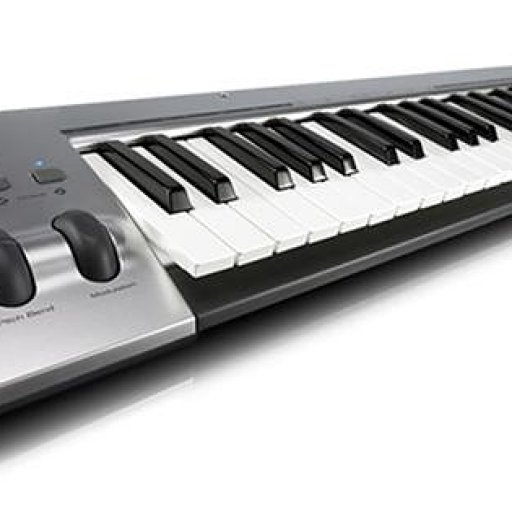
A keyboard typically refers to an electronic instrument with unweighted keys. These are light to the touch, easy for beginners to press, and found on most entry-level instruments. They require no significant finger strength to play.
A digital piano refers to an electronic instrument with weighted keys — designed to mimic the resistance and feel of a traditional acoustic piano. The keys push back against your fingers, requiring more controlled pressure to produce a note.
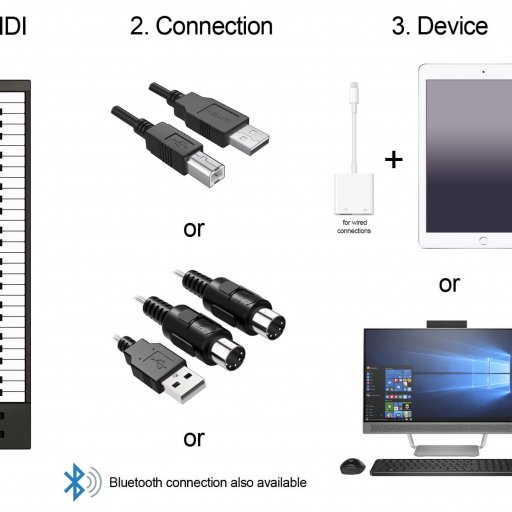
Both types connect via MIDI to a computer or iPad, which is what allows them to work with software like Musiah. The key type affects the feel under your fingers — it doesn't affect the software's ability to assess your playing.
| Feature | Weighted Keys (Digital Piano) | Unweighted Keys (Keyboard) |
|---|---|---|
| Feel | Mimics an acoustic piano — heavier, more resistance | Light touch — easy to press, less resistance |
| Finger Strength | Builds finger strength over time | Less demanding physically |
| Portability | Typically heavier and more stationary | Lightweight and easy to move or store |
| Cost | Usually a larger financial investment | Generally the most affordable entry point |
| Best For | Students who want the feel of a traditional acoustic piano | Beginners testing the waters, or space/budget-conscious learners |
Which Is Better for Beginners?
In terms of whether a digital piano (weighted keys) is something I would recommend over a keyboard (unweighted keys), it really boils down to personal preference. For most students, I don't recommend one over the other.
In the early stages, students are mainly developing their timing, coordination, and learning to find the keys — touch sensitivity and subtle technique tend not to become part of the picture for quite some time, despite what some piano teachers may tell you. Because of this, for most beginner students, unweighted keys are perfectly fine.
Each keyboard type has its own unique advantages, and as you gradually become more advanced, each will bring its own set of benefits to your playing:
- Weighted keys are good for building up finger strength, which enhances your playing technique.
- Unweighted keys encourage very precise playing, which is beneficial in rhythmic and contemporary styles of music.
Many students have a digital piano or acoustic piano they use for a traditional teacher, and a MIDI keyboard for their Musiah lessons. There is no harm whatsoever in playing on both types — if anything, it will help your versatility as a player.
Do I Need Weighted Keys to Learn Piano Properly?
No — and as explained above, neither option is inherently superior. Both weighted and unweighted keys are valid for learning piano properly, and both are fully supported by Musiah.
The characteristics of each type do lend themselves to different aspects of playing over time. Weighted keys develop finger strength and a feel for dynamic control. Unweighted keys develop precision and a light, responsive touch that suits rhythmic and contemporary styles. These are differences in flavour rather than differences in quality — a student who has learned on either type has learned properly.
The more important question for most beginners is practical: which instrument variant suits your budget, your space, and your commitment level at this stage? A good unweighted keyboard that you practice on daily will produce better results than a high-end digital piano that sits unused. Start with what allows you to practice consistently, and let the instrument choice evolve with your playing.
A Note on Key Count
Musiah requires a minimum of 49 full-size keys (4 octaves) — and 49 keys is sufficient to complete the entire 13-level Musiah course. However, some of the supplementary pieces under the Pieces tab in the Practice Area may require more than 49 keys, and if you choose to import your own songs in MusicXML format, some of those songs may also require more keys depending on their range. Avoid mini or micro-sized keys regardless of count — the physical dimensions matter for developing proper hand positioning. For full technical requirements, see the MIDI keyboard requirements page.
Compatibility with Musiah
From a technical standpoint, Musiah has no preference between weighted and unweighted keys. As long as your instrument meets the core requirements, you will enjoy a fully responsive experience with near-zero latency:
- At least 49 full-size keys
- MIDI connectivity — USB-to-Host port (strongly recommended), MIDI In/Out ports, or Bluetooth MIDI (compatible with Mac and iPad versions of Musiah)
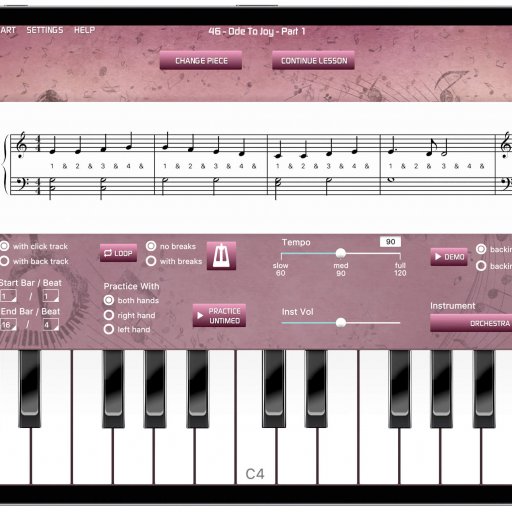
Musiah generates all sound within the software. If you use a stand-alone keyboard with built-in speakers, simply turn the instrument's volume down to zero so you hear the Musiah in-app instruments clearly.
Ready to choose your instrument and get started? Take our beginner piano lessons for adults with a free 14-day trial — no commitment required.
Frequently Asked Questions
The questions beginners ask most often about weighted vs unweighted keys:
Q: Do I need weighted keys to learn piano?
No — and neither option is inherently superior to the other. Unweighted keys are perfectly adequate for developing timing, coordination, note reading, and two-hand independence. Weighted keys develop finger strength and dynamic control; unweighted keys encourage precise playing that suits rhythmic and contemporary styles. Weighted and unweighted keys are both valid choices for learning piano properly, and Musiah supports both equally well.
Q: What is the difference between weighted and unweighted keys?
Weighted keys are designed to mimic the resistance of an acoustic piano — they push back against your fingers and require more controlled pressure. Unweighted keys are light and easy to press. Both types can connect via MIDI to a device for use with piano learning software. The difference is entirely in how they feel under your fingers, not in the software's ability to assess your playing.
Q: Are weighted keys better for beginners?
Not necessarily — it really comes down to personal preference. In the early stages of learning, students are primarily developing timing, coordination, and note reading. Touch sensitivity and subtle technique don't become significant factors for quite some time. Weighted keys build finger strength over time; unweighted keys encourage precise playing that's beneficial in rhythmic and contemporary styles. Both have genuine advantages, and many students play on both types without any issues.
Q: Can I learn piano on a keyboard with unweighted keys?
Yes. Musiah students learn on MIDI keyboards — weighted or unweighted — and consistently achieve real results regardless of key type. The teaching method, the structured syllabus, and the AI teacher's corrective feedback matter far more to your progress than whether your keys have weighted action. For more on this, see piano lessons vs keyboard lessons.
Q: How many keys do I need to learn piano?
A minimum of 49 full-size keys is required to use Musiah — and 49 keys is sufficient to complete the entire 13-level course. The important thing is that the keys are full-size: avoid instruments with mini or micro-sized keys regardless of how many they have.
Q: What keyboard should I buy as a beginner?
A suitable beginner keyboard typically costs between $120 and $250. Look for at least 49 full-size keys and a USB-to-Host port for the most reliable connection. If you prefer wireless, Bluetooth MIDI works well with the Mac and iPad versions of Musiah. Entry-level models from Casio or Yamaha with USB connectivity are generally reliable choices. For a complete guide including brands to avoid, see our MIDI keyboard requirements page.
Ready to Start Your Piano Journey?
Once you have chosen your instrument — weighted or unweighted — discover what you can achieve with the world's first AI piano teacher. Try Musiah free for 14 days, no commitment required.
👉 Try Musiah Free For 14 Days